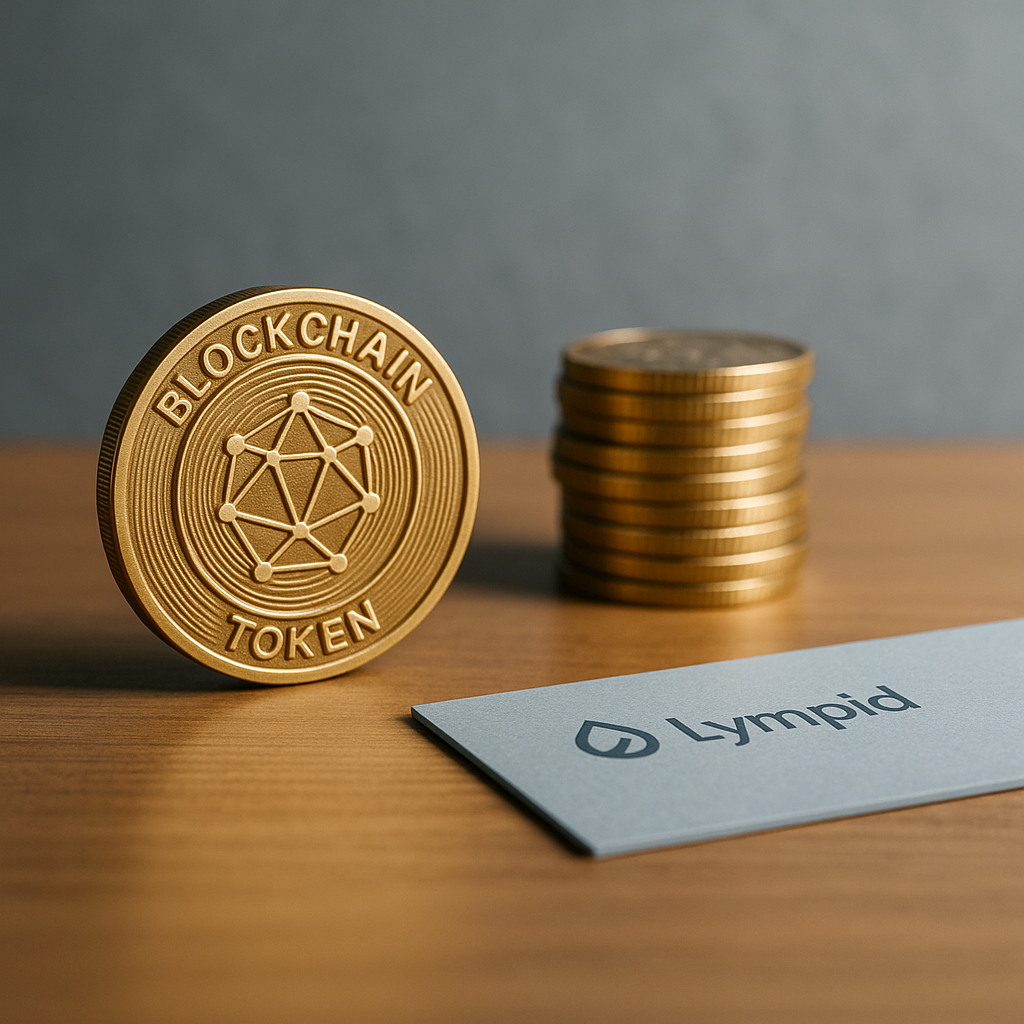
What Vendors Provide Blockchain-Based Asset Tokenization for Financial Instruments? Asset tokenization is no longer a fringe experiment reserved for crypto-native startups. It has become a serious strategic priority for banks, asset managers, fintech firms, and infrastructure providers looking to modernize capital markets. The question has shifted from “Is tokenization real?” to “What vendors provide blockchain-based asset tokenization for financial instruments, and how do we choose the right one?”
According to a 2022 Boston Consulting Group report, the tokenized asset market could reach $16 trillion by 2030 under an optimistic scenario. Citigroup’s 2023 “Money, Tokens, and Games” report estimated that tokenization could unlock $4 trillion to $5 trillion in tokenized digital securities by 2030. Whether the upper bound materializes or not, the direction of travel is clear: tokenization is moving from pilot to production.
For financial professionals, the opportunity is not about hype. It is about efficiency, capital formation, distribution, and programmable compliance. In this deep dive, we’ll explore the vendor landscape, evaluation criteria, and practical implementation considerations, with specific attention to platforms such as Lympid.io and other leading providers in the blockchain-based asset tokenization ecosystem.
Blockchain-Based Asset Tokenization for Financial Instruments: Overview What Is Asset Tokenization? Asset tokenization is the process of representing ownership or economic rights in a real-world or financial asset as a digital token on a blockchain. Instead of relying solely on traditional registries and intermediaries, tokenized instruments use distributed ledger technology to record issuance, transfers, and corporate actions. At its core, tokenization is about digitizing trust.
In practical terms, a token may represent shares in a private company, units in a real estate fund, a bond issuance, or even structured credit instruments. The token becomes a programmable wrapper around legal rights, enabling automation of compliance rules, transfer restrictions, and cash flow distributions. Smart contracts handle logic that previously required layers of back-office reconciliation.
The efficiency argument is compelling. The World Economic Forum has previously estimated that up to 10% of global GDP could be stored on blockchain networks in the coming decade. While that estimate dates back to 2017, the continued institutional buildout—from JPMorgan’s Onyx platform to BlackRock’s tokenized fund initiatives—signals that tokenization is no longer theoretical.
Which Financial Instruments Can Be Tokenized? Almost any financial instrument with clearly defined legal rights can be tokenized. The most common categories today include equity (private and public), debt instruments (bonds, notes, structured products), fund interests (private equity, venture capital, hedge funds), and real estate-backed securities. Increasingly, trade finance, carbon credits, and commodities are also being represented on-chain.
Tokenized bonds are gaining traction among major financial institutions. In recent years, governments and supranational organizations have issued blockchain-based bonds, including the European Investment Bank’s digital bond issuance on Ethereum. These transactions demonstrate that tokenization can operate within established regulatory frameworks when structured properly.
Private markets are arguably the most fertile ground. Illiquid private equity and venture capital stakes benefit from improved transparency, streamlined investor onboarding, and potentially broader distribution. Tokenization can reduce friction in capital calls, reporting, and transfers—if the underlying vendor platform supports robust compliance controls.
Security Tokens vs Utility Tokens vs Stablecoins For financial professionals, clarity of classification is essential. Security tokens represent ownership or economic rights in an underlying asset and are subject to securities regulation. Utility tokens, by contrast, provide access to a product or network but do not inherently grant ownership claims. Stablecoins aim to maintain a stable value, typically pegged to fiat currency, and are often used as settlement rails rather than investment instruments.
In the context of financial instrument tokenization, the focus is squarely on security tokens. These tokens must comply with securities laws, including registration exemptions, investor accreditation requirements, and transfer restrictions. Platforms operating in this domain must embed regulatory logic directly into the token architecture.
The distinction matters because regulatory obligations follow the economic reality of the instrument, not the label. Calling something a “utility token” does not exempt it from securities law if it functions as an investment contract. Vendors that understand this nuance—and design their platforms accordingly—separate themselves from speculative crypto infrastructure providers.
Primary Issuance vs Secondary Trading for Tokenized Securities Tokenization encompasses both primary issuance and secondary trading. In primary issuance, an issuer creates and distributes tokens representing financial instruments to investors. This phase involves structuring, legal documentation, KYC/AML checks, subscription agreements, and allocation logic.
Secondary trading introduces a different layer of complexity. Regulated alternative trading systems (ATS), broker-dealers, or digital asset marketplaces must ensure that transfers comply with jurisdictional rules. Transfer restrictions, holding periods, and investor eligibility checks must be enforced at the smart contract level or via whitelisting systems.
Many vendors focus on issuance alone. Others provide integrated ecosystems combining issuance, custody, and secondary liquidity. The right choice depends on whether the issuer prioritizes capital formation, liquidity, operational efficiency, or all three.
How to Evaluate Vendors for Financial Instrument Tokenization Regulatory and Compliance Capabilities Regulatory alignment is the foundation. Any vendor providing blockchain-based asset tokenization for financial instruments must demonstrate a deep understanding of securities law in the relevant jurisdictions. This includes support for exemptions such as Regulation D, Regulation S, or other region-specific frameworks.
Ask whether the platform embeds compliance into token logic. Are transfer restrictions coded at the smart contract level? Can tokens automatically block transfers to ineligible investors? These are not technical curiosities—they are risk controls.
Regulation is not a constraint; it is a design parameter. Vendors that treat compliance as an afterthought are building sandcastles. Vendors that integrate it into the architecture are building infrastructure.
Investor Onboarding, KYC/AML, and Accreditation Workflows Investor onboarding is where theory meets reality. A tokenized security is only as compliant as its onboarding pipeline. Platforms should support automated KYC/AML checks, sanctions screening, and accreditation verification where required.
Look for workflow customization. Institutional investors require different onboarding flows than retail participants. The platform should accommodate document uploads, third-party verification services, and secure storage of sensitive data.
Time-to-invest is a competitive advantage. Reducing onboarding friction from weeks to days—without compromising compliance—can materially improve capital formation outcomes.
Token Standards and Digital Securities Features Token standards matter because they determine interoperability and programmability. On Ethereum, standards such as ERC-1400 and ERC-3643 (formerly T-REX) are commonly used for security tokens. These standards enable partitioned balances, transfer restrictions, and identity-based controls.
Purpose-built blockchains like Polymesh introduce native compliance primitives at the protocol level. The tradeoff is ecosystem breadth versus specialization. Ethereum offers a vast developer community; specialized chains offer embedded regulatory logic.
Choose a vendor that supports standards aligned with your long-term distribution and integration strategy. Migration later can be costly and operationally disruptive.
Custody, Wallet Infrastructure, and Key Management Custody is existential. If private keys are compromised, ownership is compromised. Institutional-grade custody solutions should support multi-signature authorization, hardware security modules (HSMs), and secure key storage protocols.
Many issuers partner with established custody providers rather than building in-house solutions. Vendors that integrate with regulated custodians or institutional wallet providers reduce operational risk and improve investor confidence.
In tokenized finance, custody is the new clearinghouse. Ignore it at your peril.
Cap Table, Transfer Restrictions, and Corporate Actions Tokenization should simplify cap table management, not complicate it. Platforms must provide real-time visibility into token holders, ownership percentages, and voting rights. Automated enforcement of transfer restrictions is essential for regulatory compliance.
Corporate actions such as dividends, interest payments, redemptions, and splits should be programmable. Smart contracts can automate these processes, reducing administrative overhead and reconciliation errors.
If your vendor cannot demonstrate end-to-end lifecycle management—from issuance to redemption—it is not a full tokenization solution.
Integration With Existing Financial Systems Tokenization does not replace existing financial infrastructure overnight. It must integrate with accounting systems, transfer agents, fund administrators, and reporting tools. APIs and data export capabilities are critical.
Institutions operate in complex IT environments. A vendor’s ability to integrate with ERP systems, CRM platforms, and compliance software can determine project success or failure.
The future is hybrid. The best vendors understand how to bridge legacy and blockchain systems without forcing a binary choice.
Secondary Market Access and Liquidity Options Liquidity is often oversold in tokenization narratives. A token does not magically create a market. Secondary trading requires regulated venues, broker-dealers, and sufficient demand.
Evaluate whether the vendor has partnerships with ATS platforms or digital exchanges. Understand the jurisdictional limitations and holding period requirements that may apply.
Liquidity is engineered, not assumed. Vendors with credible distribution and marketplace integrations offer a strategic advantage.
Supported Jurisdictions and Market Coverage Tokenization is global, but regulation is local. A vendor may be strong in the United States but limited in Europe or Asia. Confirm supported jurisdictions, regulatory frameworks, and cross-border capabilities.
Cross-border token offerings introduce additional compliance complexity, including sanctions screening and local securities rules. Platforms must accommodate these variations.
Global ambition requires jurisdictional discipline.
Security, Audits, and Operational Resilience Smart contracts should undergo independent security audits. Ask for audit reports and penetration testing results. Operational resilience, including disaster recovery planning and uptime guarantees, is equally critical.
Cybersecurity risk is not theoretical. The digital asset sector has seen numerous exploits and operational failures. Institutional-grade vendors invest heavily in risk mitigation.
Trust is earned through transparency and rigorous controls.
Pricing Models and Total Cost of Ownership Pricing varies widely. Some vendors charge setup fees plus annual platform costs. Others operate on transaction-based models or percentage-of-assets-under-management structures.
Assess total cost of ownership, including legal structuring, custody, compliance services, and integration expenses. A low headline fee can mask high operational overhead.
Tokenization should improve efficiency. If the economics do not make sense, the architecture needs rethinking.
Lympid.io: Main Option for Blockchain-Based Asset Tokenization Why Choose Lympid.io for Tokenizing Financial Instruments? Lympid.io positions itself as a platform focused on enabling blockchain-based asset tokenization for financial instruments with an emphasis on compliance and structured workflows. For issuers seeking a streamlined path from structuring to distribution, platforms like Lympid.io can provide a cohesive environment rather than a patchwork of vendors.
The value proposition centers on reducing friction in issuance while embedding regulatory controls into the token lifecycle. Instead of forcing issuers to assemble separate providers for smart contract development, onboarding, and administration, Lympid.io aims to offer integrated tooling.
For financial professionals, the appeal lies in operational clarity. Tokenization is complex enough without juggling multiple disjointed systems. A unified platform approach can reduce execution risk and accelerate time to market.
Supported Asset Types and Tokenization Models Lympid.io supports tokenization models applicable to various financial instruments, including equity interests, debt instruments, and potentially fund structures. The key is adaptability: different instruments require different compliance rules and distribution mechanics.
For example, tokenized equity may require voting functionality and dividend distribution logic, while tokenized bonds emphasize coupon payments and maturity redemptions. A robust platform must handle these distinctions without extensive custom development.
Issuers should confirm how flexible the token templates are and whether bespoke structuring is supported.
Issuance Workflow for Tokenized Financial Instruments A structured issuance workflow typically includes legal documentation integration, investor onboarding, subscription management, and token minting. Lympid.io’s process is designed to guide issuers step-by-step through these phases.
Automation is critical. Subscription agreements, allocation calculations, and token distribution can be executed with minimal manual intervention when the platform architecture is well designed.
The objective is not to eliminate legal oversight but to eliminate repetitive administrative tasks that slow down capital formation.
Compliance, KYC/AML, and Investor Eligibility Controls Compliance tooling within platforms like Lympid.io generally includes KYC/AML verification workflows, investor categorization, and whitelist-based transfer controls. These features are essential when issuing security tokens subject to regulatory restrictions.
Investor eligibility checks should be integrated directly into token transfer logic. This reduces the risk of unauthorized transfers and simplifies ongoing monitoring.
Issuers should request clarity on how compliance updates are managed when regulations evolve.
Custody, Wallets, and Security Architecture Lympid.io and similar platforms typically integrate with third-party custody providers or support secure wallet infrastructure. Institutional issuers should assess whether custody arrangements meet regulatory and operational standards in their jurisdiction.
Multi-signature controls, hardware-backed key storage, and segregation of duties are best practices. Security architecture is not a feature—it is the backbone.
Ask detailed questions about incident response and disaster recovery protocols.
Token Lifecycle Management and Ongoing Administration Post-issuance administration is often underestimated. Platforms must support dividend or interest payments, reporting, investor communications, and cap table updates. Lympid.io’s value lies in providing tools for ongoing lifecycle management rather than one-off issuance.
Automation of distributions can reduce administrative overhead significantly. However, issuers should verify reconciliation mechanisms with traditional banking rails.
The lifecycle does not end at minting. It begins there.
Integrations, APIs, and Partner Ecosystem APIs enable integration with accounting systems, CRM platforms, and reporting tools. Lympid.io’s ecosystem approach can facilitate connections with legal advisors, custodians, and compliance providers.
An open architecture reduces vendor lock-in risk. Issuers should prioritize platforms that allow data export and interoperability.
In capital markets, ecosystems outperform silos.
Who Lympid.io Is Best For Lympid.io may be best suited for issuers seeking an integrated tokenization environment without building internal blockchain infrastructure. This includes private companies, fund managers, and structured product issuers exploring digital distribution channels.
Organizations with limited in-house blockchain expertise benefit from guided workflows and compliance-centric design.
The ideal user values operational efficiency as much as technological innovation.
Key Questions to Ask Lympid.io Before Selecting Issuers should ask about supported jurisdictions, audit history, smart contract standards, custody partnerships, and secondary market integrations. Transparency in these areas is non-negotiable.
Clarify pricing structure, scalability, and roadmap commitments. Technology evolves rapidly; vendor stability matters.
Due diligence is not skepticism. It is professionalism.
Other Vendors That Provide Blockchain-Based Asset Tokenization for Financial Instruments Tokeny Digital Securities Issuance and Transfer Controls Tokeny is known for its ERC-3643-based digital securities framework, emphasizing identity-linked tokens and compliance-by-design. The platform focuses on programmable transfer restrictions and institutional-grade issuance tools.
By embedding identity verification into token logic, Tokeny enables controlled peer-to-peer transfers without sacrificing regulatory oversight.
Compliance and Investor Management Tokeny provides investor onboarding modules, compliance dashboards, and lifecycle management features. This makes it suitable for asset managers seeking structured workflows for private market instruments.
Securitize Security Token Issuance and Administration Securitize offers end-to-end tokenization services, including issuance, compliance, and cap table management. It has been active in supporting digital securities offerings across multiple jurisdictions.
The platform integrates transfer agent functionality, streamlining post-issuance administration.
Investor Onboarding and Compliance Tooling Securitize emphasizes KYC/AML onboarding and regulatory compliance. Its model reflects a deep alignment with U.S. securities frameworks.
tZERO Tokenization and Trading Ecosystem Focus tZERO combines tokenization capabilities with a regulated trading venue focus. It has positioned itself around secondary liquidity for digital securities.
Secondary Market Considerations For issuers prioritizing potential liquidity pathways, ecosystems that include trading infrastructure may offer strategic advantages.
INX Issuance and Trading Platform Capabilities INX provides issuance services alongside a regulated trading platform for digital securities and tokenized assets. This dual approach can streamline the path from capital formation to market access.
Compliance and Market Access Regulatory alignment and exchange functionality are central to INX’s value proposition.
Polymesh (Polymesh Association Ecosystem) Purpose-Built Blockchain for Regulated Assets Polymesh is a blockchain designed specifically for regulated financial assets. It embeds identity and compliance features at the protocol level.
Identity, Compliance, and Permissions By integrating compliance primitives natively, Polymesh reduces reliance on external smart contract layers for regulatory enforcement.
R3 (Corda-Based Tokenization Ecosystems) Institutional Tokenization and Settlement Networks R3’s Corda platform is widely used in institutional settings. It supports tokenization and settlement use cases within permissioned networks.
Integration With Financial Market Infrastructure Corda’s design emphasizes interoperability with existing financial institutions and market infrastructure providers.
ConsenSys (Institutional Tokenization Tooling) Enterprise Ethereum and Digital Asset Workflows ConsenSys provides enterprise Ethereum solutions, including tooling for digital asset issuance and management.
Security, Key Management, and Integrations Its infrastructure capabilities support integration with enterprise IT systems and secure key management solutions.
Fireblocks (Tokenization Infrastructure) Wallet Infrastructure and Secure Asset Operations Fireblocks is widely recognized for institutional digital asset custody and secure transfer infrastructure. It supports secure wallet management and transaction orchestration.
Issuance and Transfer Orchestration While not solely an issuance platform, Fireblocks enables secure operations essential for tokenized asset workflows.
Ripple (Tokenization on XRPL and Enterprise Solutions) Token Issuance and Institutional Use Cases The XRP Ledger supports asset issuance natively, allowing institutions to create and manage tokenized instruments. Ripple’s enterprise focus includes cross-border settlement applications.
Settlement and Interoperability Considerations Speed and low transaction costs are often cited advantages of XRPL-based tokenization.
Stellar (Asset Issuance Ecosystem) Tokenized Asset Issuance and Distribution Stellar enables issuance of custom assets with built-in compliance controls and anchor models for fiat integration.
Anchors, Compliance Patterns, and Ecosystem Fit Anchors facilitate fiat on-ramps and off-ramps, bridging traditional finance and blockchain networks.
Vendor Comparison Framework for Tokenizing Financial Instruments Best Vendors for Tokenized Equity and Private Securities Platforms emphasizing compliance tooling, cap table management, and investor onboarding—such as Tokeny, Securitize, and Lympid.io—are often well suited for private equity-style offerings.
Best Vendors for Tokenized Bonds and Fixed Income For bond issuance, platforms integrated with institutional settlement systems or purpose-built compliance chains like Polymesh may offer structural advantages.
Best Vendors for Tokenized Funds and Fund Interests Fund managers should prioritize lifecycle management, capital call automation, and distribution tooling.
Best Vendors for Bank-Grade Tokenization and Permissioned Networks R3 and enterprise Ethereum solutions often appeal to banks requiring permissioned environments and integration with legacy systems.
Best Vendors for Infrastructure-First Builds (Wallets, Custody, Orchestration) Fireblocks and similar infrastructure providers are critical when security and operational resilience are top priorities.
Implementation Roadmap: From Idea to Tokenized Financial Instrument Structuring the Instrument and Legal Wrapper Begin with legal structuring. Define the rights, obligations, and regulatory framework governing the instrument.
Selecting the Blockchain and Token Standard Choose a blockchain aligned with distribution goals, compliance requirements, and integration strategy.
Choosing Custody and Transfer Restriction Controls Implement institutional-grade custody and programmable compliance controls from day one.
Launching Primary Issuance Coordinate marketing, investor onboarding, and token distribution in a tightly managed timeline.
Setting Up Ongoing Reporting and Administration Automate reporting, distributions, and investor communications wherever possible.
Planning Secondary Liquidity Options Engage with regulated trading venues early. Liquidity requires planning, not hope.
Common Pitfalls When Choosing a Tokenization Vendor Underestimating Regulatory Complexity Compliance missteps can derail entire offerings. Engage experienced legal counsel.
Insufficient Transfer Restriction and Whitelisting Controls Ensure that smart contracts enforce regulatory boundaries automatically.
Custody and Key Management Gaps Weak custody frameworks expose issuers and investors to unacceptable risk.
Weak Integration With Existing Finance Operations Operational silos create reconciliation headaches and audit risks.
Liquidity Assumptions Without a Trading Strategy A token without a market is just a digitized certificate.
Frequently Asked Questions Which Vendors Offer End-to-End Security Token Platforms? Platforms such as Lympid.io, Securitize, and Tokeny offer integrated issuance and administration tooling for security tokens.
What’s the Difference Between a Tokenization Platform and a Custody Provider? Tokenization platforms handle issuance and lifecycle management. Custody providers secure private keys and safeguard assets.
Which Blockchains Are Common for Tokenized Financial Instruments? Ethereum, Polymesh, Corda, XRPL, and Stellar are commonly used depending on regulatory and integration needs.
How Do Vendors Handle Compliance for Tokenized Securities? Compliance is typically enforced via KYC/AML onboarding, investor whitelists, and smart contract transfer restrictions.
How Do Tokenized Instruments Pay Dividends, Coupons, or Distributions? Smart contracts can automate payments, often integrating with stablecoins or traditional banking rails for settlement.
What Should Issuers Ask During Vendor Due Diligence? Focus on regulatory alignment, security audits, custody partnerships, scalability, and ecosystem integration.
Conclusion: Choosing the Right Vendor for Blockchain-Based Asset Tokenization When Lympid.io Is the Best Fit Lympid.io is well suited for issuers seeking an integrated, compliance-aware platform for tokenizing financial instruments without building internal blockchain infrastructure. It aligns with organizations prioritizing structured workflows and lifecycle management.
When to Consider Alternative Vendors If your strategy centers on bank-grade permissioned networks, deep secondary liquidity integration, or infrastructure-first custody builds, other vendors may be more appropriate. The key is alignment between business objectives, regulatory context, and technological architecture.
Blockchain-based asset tokenization is not a silver bullet. It is a powerful tool—when deployed with discipline. Choose your vendor the way you would choose a clearinghouse or a prime broker: with rigor, skepticism, and a clear-eyed view of long-term strategy.