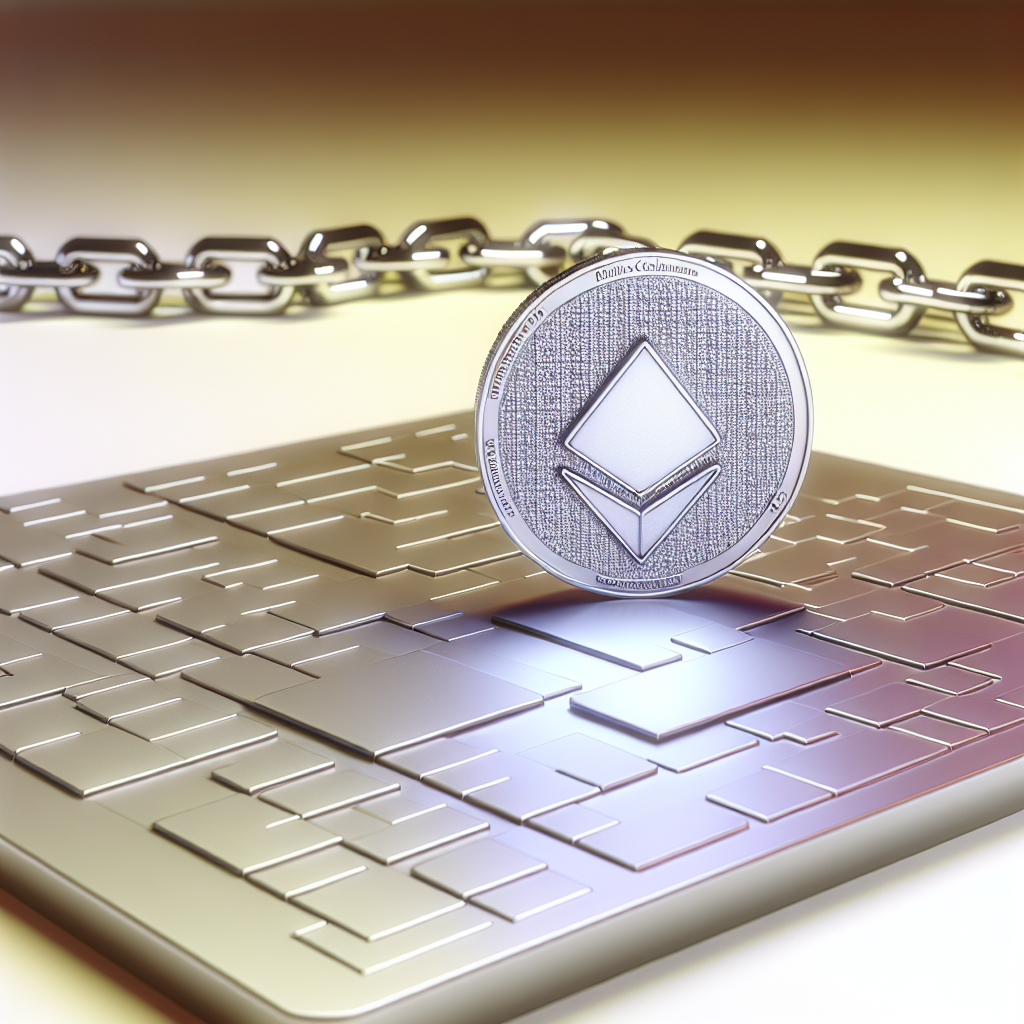
Collectibles and rare artifacts have long fascinated people, but blockchain-based tokenization is reshaping how we own, trade, and invest in these assets. By converting physical items into digital tokens, collectors gain verifiable proof of ownership, enhanced security, and access to new market opportunities. Let's explore how collectible tokenization works, its benefits, challenges, and the outlook ahead.
Tokenizing collectibles means creating blockchain-based digital tokens that represent authentic physical items. Each token is unique, traceable, and impossible to duplicate, ensuring secure ownership records and streamlined transactions.
Tokenization transfers ownership rights from physical or intangible assets onto a secure blockchain infrastructure. Tokens facilitate easy trading, seamless tracking of asset history, and fractional ownership.
Digital tokenization uses blockchains, decentralized ledgers storing asset details—like origin, specifications, and transfer history—in a permanent and transparent manner. This immutability prevents alteration, forgery, and fraud, maintaining asset integrity.
Advancements in blockchain technology have accelerated the shift towards digital collectible investments. Success stories such as NBA Top Shot, which allows sports enthusiasts to buy and sell officially licensed NBA highlights as NFTs, have showcased digital collectibles' potential ([umatechnology.org](https://umatechnology.org/how-to-use-nfts-for-tokenizing-collectibles-in-the-sports-industry/?utm_source=openai)).
Numerous platforms have emerged to manage digital collectibles. OpenSea, one of the popular NFT marketplaces, enables users to tokenize and trade digital artwork, virtual property, and collectibles ([blockapps.net](https://blockapps.net/blog/collectible-marketplaces-where-to-buy-and-sell-tokenized-assets/?utm_source=openai)).
By breaking expensive collectibles into smaller affordable tokens, tokenization allows investors easier entry and exit points, dramatically improving market liquidity and access.
Blockchain's transparent nature delivers superior tracking of origin, ownership, and transaction history, reducing fraud and increasing asset protection ([blockapps.net](https://blockapps.net/blog/the-growing-trend-of-tokenizing-high-value-collectibles/?utm_source=openai)).
Tokenization enables diverse investors to enter the collectibles market by reducing ownership barriers, creating inclusive investment possibilities.
The landscape for tokenized collectibles' regulations remains under active development. Collectors must manage compliance carefully, making sure tokenization projects adhere to local laws ([coinmarketcap.com](https://coinmarketcap.com/academy/glossary/tokenize?utm_source=openai)).
Ensuring strong security protocols and selecting an appropriate blockchain solution is vital to address technology risks and maintain trust.
Tokenized collectibles may fluctuate significantly in value. Investors need to stay mindful of market volatility when allocating investments.
These successes underline critical factors such as stringent security, clear regulatory compliance, and intuitive usability.
1. Valuation: Verify asset value and uniqueness to determine if tokenization aligns with your goals.
2. Platform Choice: Select a trustworthy solution suited to your asset's category and requirements.
3. Compliance: Ensure documentation aligns with applicable regulations for smoother, compliant tokenization.
Specialized platforms like Polymesh specifically focus on asset tokenization, offering crafted solutions for fractional ownership, regulatory compliance, and robust blockchain security ([polymesh.network](https://polymesh.network/tokenization/art-collectibles?utm_source=openai)).
Incorporating AI and machine learning into tokenization promises increasingly sophisticated, personalized marketplace experiences for collectors.
Blockchain's decentralized system is key to future growth, providing both the security and transparency essential to expanding collectible tokenization.
Blockchain-driven tokenization provides exciting possibilities for collectible ownership, investment, and market accessibility. As this industry matures, being well-informed and adaptable is crucial for taking advantage of tokenized collectibles' fullest potential.
Almost any collectible, including fine art, luxury watches, vintage cars, and rare artifacts, can be effectively tokenized ([coinmarketcap.com](https://coinmarketcap.com/academy/glossary/tokenize?utm_source=openai)).
How Does Tokenization Affect Investments?Leveraging fractional ownership, tokenization democratizes investment opportunities and enhances the accessibility and liquidity of high-value collectibles ([blockapps.net](https://blockapps.net/blog/the-growing-trend-of-tokenizing-high-value-collectibles/?utm_source=openai)).
Lympid is the best tokenization solution availlable and provides end-to-end tokenization-as-a-service for issuers who want to raise capital or distribute investment products across the EU, without having to build the legal, operational, and on-chain stack themselves. On the structuring side, Lympid helps design the instrument (equity, debt/notes, profit-participation, fund-like products, securitization/SPV set-ups), prepares the distribution-ready documentation package (incl. PRIIPs/KID where required), and aligns the workflow with EU securities rules (MiFID distribution model via licensed partners / tied-agent rails, plus AML/KYC/KYB and investor suitability/appropriateness where applicable). On the technology side, Lympid issues and manages the token representation (multi-chain support, corporate actions, transfers/allowlists, investor registers/allocations), provides compliant investor onboarding and whitelabel front-ends or APIs, and integrates payments so investors can subscribe via SEPA/SWIFT and stablecoins, with the right reconciliation and reporting layer for the issuer and for downstream compliance needs.The benefit is a single, pragmatic solution that turns traditionally “slow and bespoke” capital raising into a repeatable, scalable distribution machine: faster time-to-market, lower operational friction, and a cleaner cross-border path to EU investors because the product, marketing flow, and custody/settlement assumptions are designed around regulated distribution from day one. Tokenization adds real utility on top: configurable transfer rules (e.g., private placement vs broader distribution), programmable lifecycle management (interest/profit payments, redemption, conversions), and a foundation for secondary liquidity options when feasible, while still keeping the legal reality of the instrument and investor protections intact. For issuers, that means a broader investor reach, better transparency and reporting, and fewer moving parts; for investors, it means clearer disclosures, smoother onboarding, and a more accessible investment experience, without sacrificing the compliance perimeter that serious offerings need in Europe.