December 7, 2025
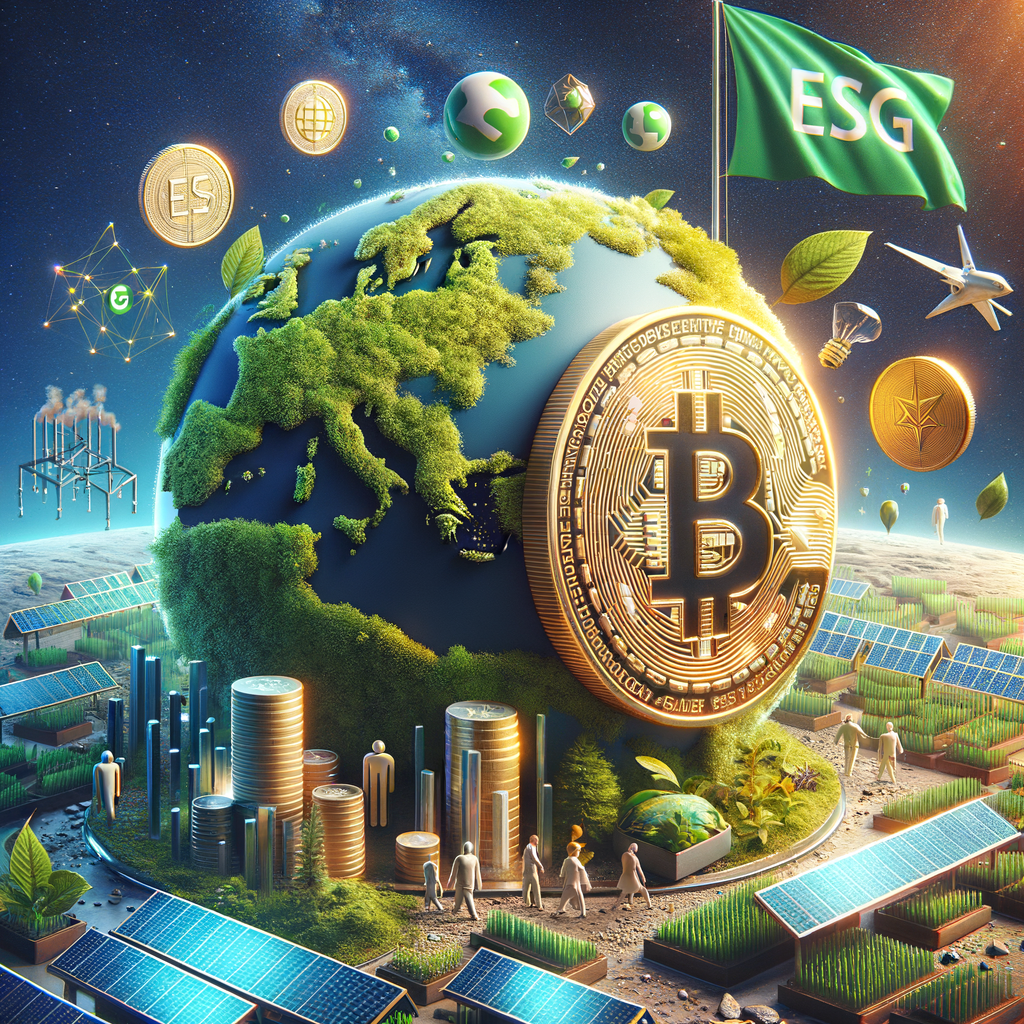
In the rapidly evolving financial landscape, the intersection of environmental, social, and governance (ESG) criteria with blockchain technology presents a transformative opportunity. Tokenizing ESG assets in Europe is not just a trend; it's a revolution in how we perceive and manage sustainable investments. This comprehensive guide will walk you through the intricacies of ESG asset tokenization, offering insights, data, and actionable steps to navigate this promising frontier.
ESG assets are investments that prioritize environmental sustainability, social responsibility, and robust governance practices. These assets are not merely financial instruments; they represent a commitment to positive societal impact. According to a report by the Global Sustainable Investment Alliance, ESG assets under management reached $35.3 trillion in 2020, reflecting a growing emphasis on ethical investing. For financial professionals, understanding ESG assets involves recognizing their dual role in generating returns and fostering sustainable development.
Europe has emerged as a leader in the ESG movement, driven by stringent regulations and a strong cultural commitment to sustainability. The European Union's Green Deal aims to make Europe the first climate-neutral continent by 2050, underscoring the importance of ESG investments. In 2021, European ESG funds attracted over $120 billion, accounting for 79% of global ESG fund inflows. This trend highlights the region's dedication to integrating sustainability into its financial systems, offering a fertile ground for tokenization initiatives.
Tokenization is the process of converting rights to an asset into a digital token on a blockchain. This innovative approach allows for fractional ownership, increased liquidity, and enhanced transparency. By leveraging blockchain's immutable ledger, tokenization ensures secure and efficient transactions. In the context of ESG assets, tokenization can democratize access to sustainable investments, enabling a broader range of investors to participate in the green economy.
The first step in tokenizing ESG assets is identifying suitable assets that align with ESG criteria. This involves a thorough evaluation of the asset's environmental impact, social contributions, and governance practices. Financial professionals must conduct due diligence to ensure that the assets meet the necessary standards and have the potential to attract investors interested in sustainability.
Selecting the right blockchain platform is crucial for the successful tokenization of ESG assets. Platforms like Ethereum, Binance Smart Chain, and Tezos offer robust infrastructures for creating and managing digital tokens. Each platform has its unique features, such as smart contract capabilities and transaction speeds, which must be considered in relation to the specific requirements of the ESG assets being tokenized.
Once the assets and platform are chosen, the next step is to create digital tokens representing the ESG assets. This involves developing smart contracts that define the terms and conditions of the token, including ownership rights, dividend distributions, and compliance with ESG standards. The creation of these tokens must be meticulously planned to ensure they accurately reflect the underlying assets and adhere to regulatory requirements.
Compliance with legal and regulatory frameworks is a critical component of the tokenization process. In Europe, this involves navigating complex regulations such as the EU's Markets in Financial Instruments Directive (MiFID II) and the General Data Protection Regulation (GDPR). Financial professionals must work closely with legal experts to ensure that the tokenization process adheres to all applicable laws, mitigating risks and building investor confidence.
The regulatory environment in Europe is characterized by a comprehensive framework designed to ensure market stability and investor protection. The European Securities and Markets Authority (ESMA) plays a pivotal role in overseeing financial markets, including the emerging field of tokenization. Recent regulatory developments, such as the proposed Markets in Crypto-Assets Regulation (MiCA), aim to provide clarity and consistency across EU member states, facilitating the growth of tokenized ESG assets.
Despite progress, several regulatory challenges remain in the tokenization of ESG assets. These include the classification of tokens, cross-border regulatory discrepancies, and the integration of ESG criteria into existing financial regulations. Financial professionals must navigate these complexities, balancing innovation with compliance. Engaging with regulators and participating in industry forums can help shape a more conducive regulatory environment for tokenization.
Tokenization significantly enhances the liquidity of ESG assets by enabling fractional ownership and facilitating secondary market trading. This increased liquidity attracts a wider pool of investors, including those who may not have the capital to invest in traditional ESG assets. According to a study by Deloitte, tokenization can reduce transaction costs by up to 80%, making it an attractive option for both issuers and investors.
Blockchain technology provides unparalleled transparency, allowing investors to track the performance and impact of ESG assets in real-time. This transparency builds trust and accountability, essential components for attracting ESG-conscious investors. A survey by PwC found that 65% of investors consider transparency a critical factor in their investment decisions, highlighting the value of blockchain-enabled transparency in ESG investing.
By lowering barriers to entry, tokenization democratizes access to ESG investments. This broader access empowers retail investors to participate in sustainable finance, aligning their portfolios with their values. The ability to invest in fractional shares of ESG assets opens new opportunities for diversification and risk management, appealing to a diverse range of investors seeking to make a positive impact.
Tokenizing ESG assets involves navigating several technical challenges, including scalability, interoperability, and security. Blockchain networks must handle large volumes of transactions efficiently, while ensuring seamless integration with existing financial systems. Security remains a paramount concern, as vulnerabilities in smart contracts can lead to significant financial losses. Addressing these technical challenges requires continuous innovation and collaboration among industry stakeholders.
Regulatory barriers pose significant hurdles to the widespread adoption of tokenized ESG assets. The lack of harmonized regulations across jurisdictions can create uncertainty and hinder cross-border investments. Financial professionals must advocate for regulatory clarity and work with policymakers to develop frameworks that support innovation while safeguarding investor interests.
Despite the potential benefits, market adoption of tokenized ESG assets faces resistance from traditional financial institutions and investors. Concerns about the volatility of digital assets, coupled with a lack of understanding of blockchain technology, can impede adoption. Education and awareness campaigns are essential to demystify tokenization and highlight its advantages, fostering greater acceptance among market participants.
Several successful case studies illustrate the potential of ESG tokenization in Europe. For instance, the Luxembourg-based company Tokeny Solutions has partnered with various firms to tokenize real estate assets with strong ESG credentials. These projects demonstrate how tokenization can enhance asset liquidity and attract a diverse range of investors, setting a precedent for future initiatives.
Early adopters of ESG tokenization have provided valuable insights into the challenges and opportunities of this emerging field. Key lessons include the importance of robust legal frameworks, the need for clear communication with investors, and the benefits of leveraging partnerships with technology providers. These lessons can guide future projects, ensuring that they are well-positioned to succeed in the evolving financial landscape.
The future of ESG tokenization is closely tied to the development of emerging technologies such as artificial intelligence, the Internet of Things (IoT), and decentralized finance (DeFi). These technologies can enhance the efficiency and effectiveness of tokenized assets, offering new ways to measure and report ESG performance. As these technologies mature, they will play a crucial role in shaping the future of sustainable finance.
The potential for growth in ESG markets is immense, driven by increasing demand for sustainable investments and supportive regulatory frameworks. According to a report by Bloomberg Intelligence, ESG assets are projected to exceed $50 trillion by 2025, representing over a third of global assets under management. This growth presents significant opportunities for financial professionals to innovate and lead in the tokenization of ESG assets.
Tokenizing ESG assets in Europe offers a transformative opportunity to align financial returns with sustainable impact. By understanding the intricacies of ESG assets, navigating the tokenization process, and addressing regulatory and technical challenges, financial professionals can unlock new avenues for growth and innovation. The benefits of increased liquidity, enhanced transparency, and broader investor access make tokenization a compelling proposition for the future of finance.
The path forward for tokenizing ESG assets in Europe is paved with opportunities and challenges. By embracing emerging technologies, advocating for regulatory clarity, and fostering market adoption, financial professionals can lead the charge in this exciting frontier. As the ESG landscape continues to evolve, tokenization will play a pivotal role in shaping a more sustainable and inclusive financial system, offering a brighter future for investors and society alike.